Two perfume bottles can both say Eau de Parfum and still wear very differently. One may feel bright and airy. Another may feel dense, warm and powerful. The percentage printed on a product page can help explain part of that difference, but it is not a complete score for quality, projection or wear time.
So what does 40 percent or 50 percent actually mean in a perfume? And how should that information affect your buying decision?

What perfume concentration means
Perfume concentration refers to the amount of aromatic material in the fragrance formula compared with the alcohol and other supporting ingredients. In simple terms, a higher percentage usually means the formula contains more fragrance material.
That does not mean a higher number will always smell better, project farther or suit every occasion. The character of the ingredients, the balance of the formula, the skin, the weather and the number of sprays all matter too.
Think of concentration as one useful clue. It helps you understand the product, but it should be read together with the scent profile and the setting where you plan to wear it.
What 40 percent means in an Eau de Parfum
A fragrance listed at 40 percent Eau de Parfum contains a substantial amount of fragrance material. Many shoppers look for this level when they want a scent that feels present and confident without automatically reaching for a very heavy style.
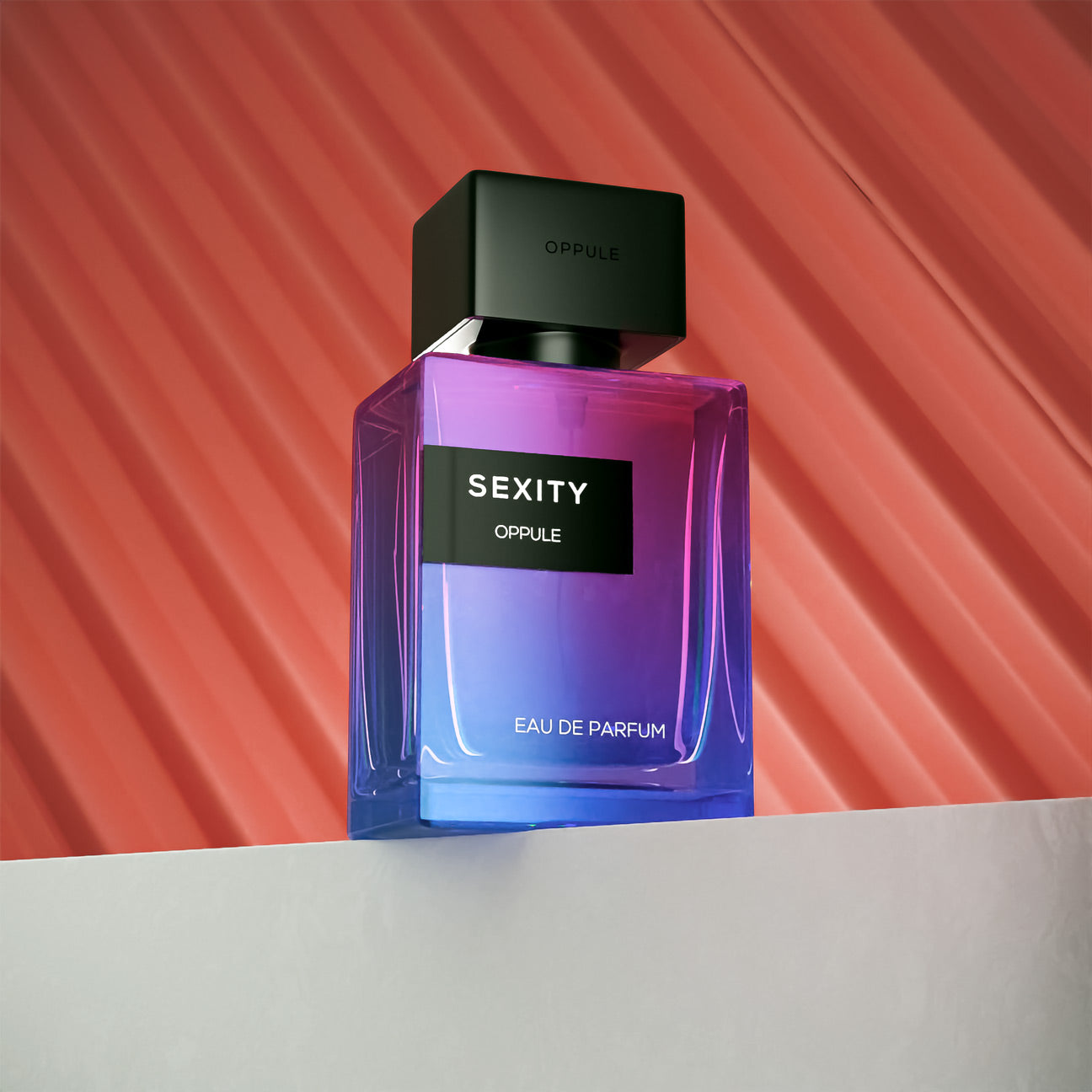
OPPULE Sexity is listed as a 40 percent Eau de Parfum in the current catalogue. Its profile opens with bergamot, apple, lemon, lavender, martini and mandarin orange. The heart includes pineapple, Moroccan jasmine, patchouli and narcissus. The base includes birch, musk, ambroxan, cedarwood, cedar and white amber.
That structure helps explain why a fragrance can begin fresh and sparkling, then move toward a warmer and more grounded finish. The percentage supports the formula, but the note arrangement shapes how the fragrance feels from the first spray to the dry down.
What 50 percent means in an Eau de Parfum
A fragrance listed at 50 percent contains an even higher share of fragrance material. This can be useful for people who prefer a richer scent style or want a more concentrated option for formal wear, cooler evenings or settings where a deeper profile feels appropriate.
OPPULE Politics is listed as a 50 percent Eau de Parfum. The catalogue describes it as an aromatic fragrance for strong personalities, with saffron, cassis, tangerine, Damask rose, leather, woody notes, ambergris, vanilla, mandarin, lemon, bergamot, red orange, lavender, sage, grey amber, oakmoss and oakwood.
Those notes suggest a warm, woody and layered direction. The concentration is part of the identity, but the character comes from the combination of citrus, spice, woods, amber and mossy elements.
Does a higher concentration always last longer
No. A higher concentration can support a longer wearing experience, but it does not guarantee the same result for every fragrance or every wearer.
Several factors change how long a perfume remains noticeable:
- The materials used in the formula
- The balance between bright notes and deeper notes
- Your skin type and moisture level
- Heat, humidity and airflow
- Whether the fragrance is sprayed on skin, clothing or both
- The number of sprays used
A citrus led scent may feel softer sooner because bright notes are often lighter and more volatile. A fragrance with woods, musk, amber or patchouli may stay closer to the skin for longer as it develops.
Concentration is not the same as projection
Projection describes how far the scent moves from your skin. Sillage describes the scented trail that remains as you move. Longevity describes how long the fragrance stays detectable.
These ideas are connected, but they are not identical. A fragrance may last for many hours while staying close to the skin. Another may project strongly at first and then become quieter.
This is why buying only by the percentage can lead to disappointment. A smart purchase considers the concentration, the note profile, the intended setting and your personal preference for presence.
How to choose between 40 percent and 50 percent
Choose a 40 percent Eau de Parfum when you want a strong but flexible option for regular use, social plans, office friendly dressing or a fragrance that can move from day to evening.
Choose a 50 percent Eau de Parfum when you prefer a denser style, enjoy woody and amber rich profiles, or want a fragrance that feels more suited to formal occasions and cooler surroundings.
In warm weather, more concentration does not mean you should automatically spray more. Heat can make a fragrance feel louder, so begin with fewer sprays and adjust only when needed.
The better way to compare perfumes
When comparing two fragrances, use a simple checklist:
- Read the concentration
- Study the main notes
- Identify the fragrance family and overall direction
- Think about the setting where you will wear it
- Test on skin when possible
- Give the dry down time before making a decision
The dry down matters because the opening is only the first stage. A perfume can begin with citrus, fruit or fresh herbs and later become woody, musky, floral or amber based.
Final answer: percentage helps, but context decides
Forty percent and 50 percent are useful concentration figures, but they are not a simple ranking system. The right fragrance is the one whose notes, weight and style match the way you want to wear it.
If you want a versatile unisex Eau de Parfum with a fresh opening, fruity floral heart and warm woody base, OPPULE Sexity is the more flexible place to begin. If you prefer a stronger aromatic and woody direction with a 50 percent concentration, OPPULE Politics offers a different kind of presence.
Read the percentage. Then read the perfume.